
ALE Call for Presentations
Canadian Evaluation Society National Capital Chapter
University of Ottawa Centre on Governance
Annual Learning Event
February 17, 2027 | University of Ottawa, Ottawa, Ontario
Maintaining Your Edge: Keeping Pace with Change
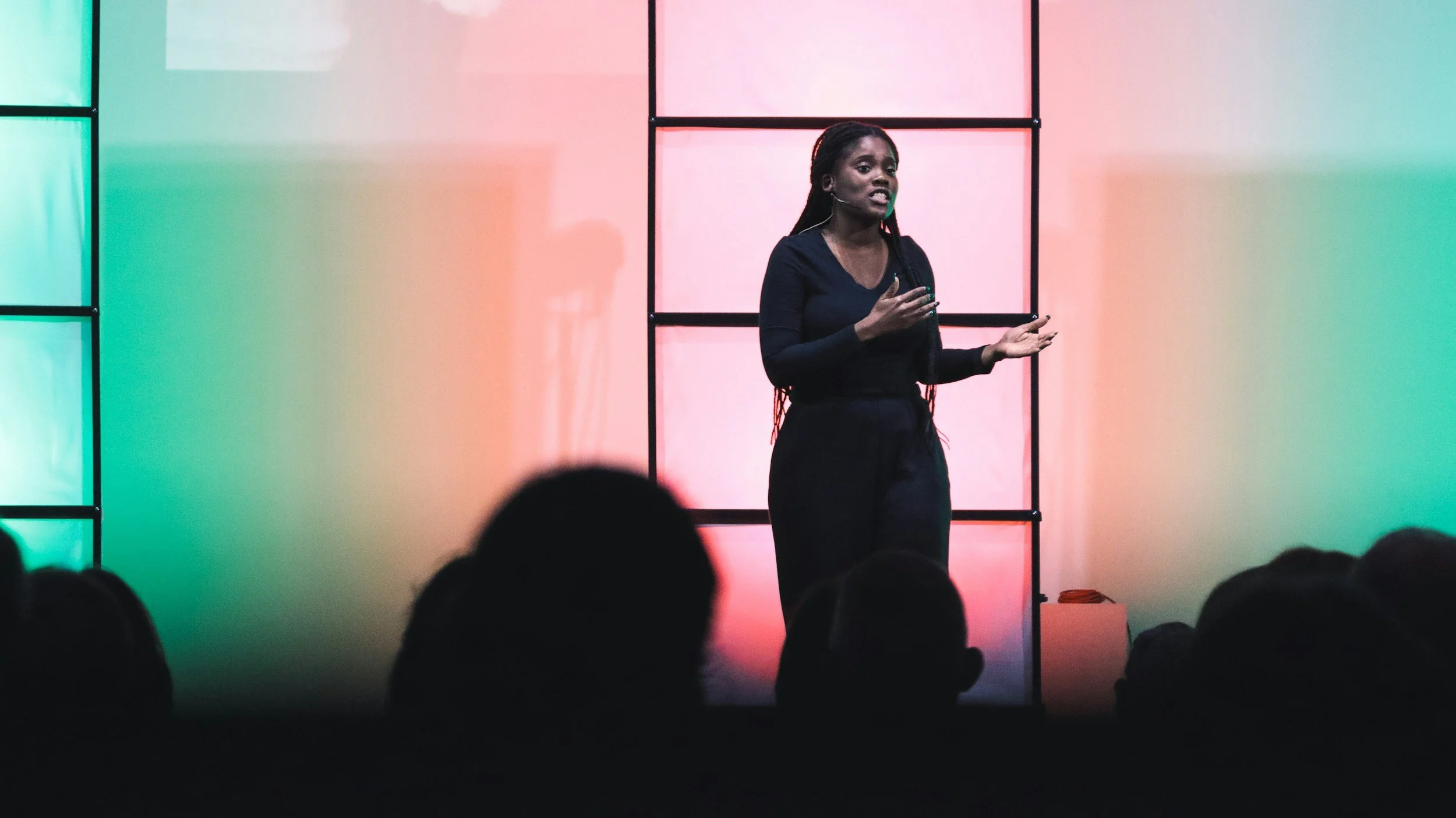
We invite you to submit proposals for the 2027 Annual Learning Event (ALE), co-hosted by the Canadian Evaluation Society National Capital Chapter (CES-NCC) and the University of Ottawa’s Centre on Governance (CoG). The ALE is our flagship gathering, bringing together practitioners, scholars, and leaders in our professional community for a dynamic exchange of knowledge and ideas. If you’re looking to make an impact on your career, this is the event for you!
Each year, the ALE provides an opportunity to learn from one another, share innovations, and deepen our collective practices. In 2027, under the theme “Maintaining Your Edge: Keeping Pace with Change,” we will share skills and lessons learned for navigating the new context the field of evaluation is now faced with, namely: growing misinformation and distrust in expertise; the 2026 Policy on Results emphasis on value for money; and AI and other emergent technologies that are rapidly expanding how evidence can be gathered, analyzed, interpreted, and communicated.
For evaluators, the challenge is how to communicate the importance of high quality data and expertise for sound decision-making; adapting to and building skills in value for money evaluations; and how to use AI effectively while maintaining the rigour, judgment, credibility, and trust that define high-quality evaluation. Together, we will explore how evaluators can leverage technical and soft skills to enhance practice and strengthen the human capabilities that remain essential to effective evaluation.
Participants will:
Explore some of the key trends and changes impacting the evaluation field
Expand skills in conducting value for money evaluations and expand their understanding of how “value” is defined
Explore practical applications of AI use throughout the evaluation cycle, including limitations, risks, and ethical considerations
Learn about the skills and competencies needed for future evaluators
Identify strategies for building trust and increasing the use of evaluations to guide decision-making
We are committed to fostering a welcoming, inclusive environment that reflects the richness of our field and the multidisciplinary nature of our work. We encourage submissions representing a wide range of perspectives, experiences, professional backgrounds and contexts. Whether you are exploring new methodologies, demonstrating value, contributing to increased equity and accountability, or experimenting with cutting-edge tools, your participation will help shape a vibrant and forward-looking ALE. We invite proposals that will contribute to a lively and practical exchange with an emphasis on skills-building, such as workshops and training-style sessions.
Audience
Private and public evaluators, auditors, academics, students, Indigenous evaluation practitioners, private sector leaders, donors, NGOs, social innovators, and finance experts make up the audience. This includes professionals seeking practical methods to connect evidence with everyday management, as well as those interested in how accountability can drive noticeable change and lead to more impactful outcomes.
Submission Guidelines
While we welcome traditional presentations, we especially encourage proposals for interactive, hands-on sessions that will actively engage attendees and foster a collaborative learning environment. Presentations bringing multiple professional perspectives together will be prioritized. We're looking forward to an exciting program featuring practical and experiential knowledge sharing.
Formats could include:
Facilitated Workshop: Hands-on workshop with interactive activities and group work to develop a specific skill
Think Tank: Participatory session where a facilitator opens with a single issue or question, followed by small group discussions and plenary sharing
Interactive Demonstrations: Presenters showcase a tool or technique with frequent pauses for live Q&A, polls, and small group exercises to immediately apply concepts
Panel Presentation: Group presentation with up to 4 panelists sharing their different perspectives on various subjects
Thematic Session Presentation: Groups of short, thematically linked presentations, each followed by a brief Q&A
Real-world case studies: Technical and/or soft skill applications across different projects, and lessons that emerged from practice
Audience polling and discussion: an interactive presentation format where the speaker uses real-time technology and facilitated dialogue to engage directly with participants
Other Session Types: Have something different in mind? Tell us your idea — we are open to creative formats!
Proposal Requirements
Proposals should include:
Title of the submission
A 300-word abstract outlining the topic, objectives, and relevance to one of the three streams
A brief bio of the presenter(s) (100 words max each)
Preferred session type
Estimated time needed for session (recommended between 15 and 90 minutes)
Session language: English, French, or bilingual
List of conference theme tags the submission aligns with (e.g. Value for Money, AI, emerging tools, practical skills, mis/disinformation, etc)
Confirmation of intent to register for the ALE
Note: All materials (e.g. presentation slides, printouts, etc.) intended for use during sessions must be English-French bilingual. This does not mean that the session itself must be bilingual. All presenters are invited to use their preferred official language for the presentation. CES-NCC will provide support in ensuring all materials are bilingual to any presenter who is not fluent in both official languages.
Key Dates
Submission Deadline: November 10, 2026, at 11:59 PM EST
Notification of Acceptance: November 29, 2026
Conference Registration Deadline (for accepted presenters): December 13, 2026
Revised Presentation Description (if required): December 13, 2026
Headshot Submission Deadline: December 13, 2026
Draft Bilingual Materials Submission Deadline: January 17, 2027
Final Bilingual Materials Submission Deadline: February 1, 2027
How to Submit
Please submit your proposal through this form by the deadline.
Contact
For more information, please contact: Sylvie Geauvreau by email at sylvie.legary@gmail.com
We look forward to receiving your proposals!